A Guide to Proper Tree Maintenance and Care
Trimming your trees is an essential part of maintaining a healthy and beautiful yard. However, doing it incorrectly can harm your trees or stunt their growth. It’s crucial to know the common mistakes people make so that you can avoid them. In this article, we’ll explore various tree trimming pitfalls and how to overcome them effectively.
Choosing the Wrong Time for Pruning
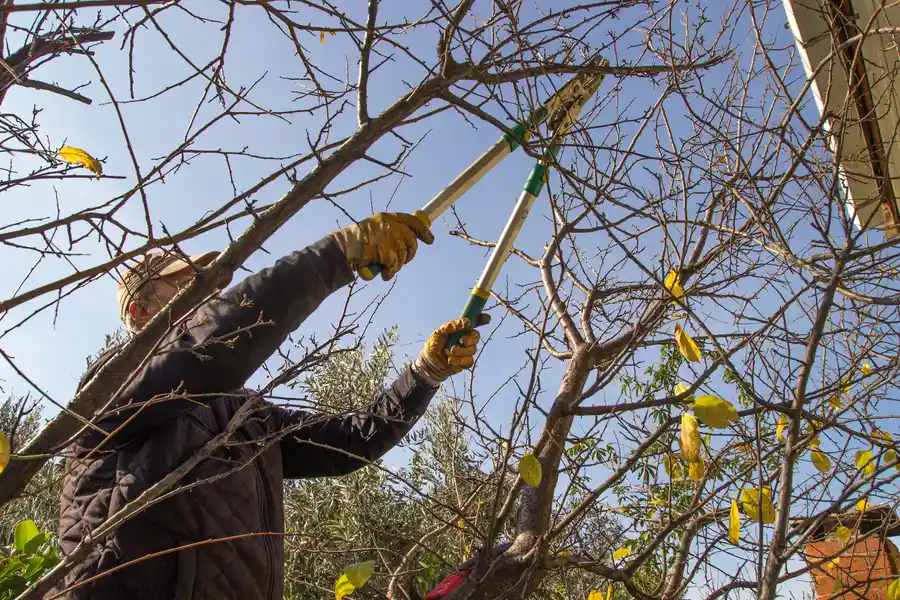
One significant mistake is pruning trees at the wrong time. Each species has its ideal time for trimming, usually during dormancy in late winter or early spring. This timing helps minimize stress and encourages robust regrowth. Ignoring this can lead to poor health and reduced flowering or fruit production.
Using Incorrect Tools
The right tools are vital for effective tree trimming service. Using dull or inappropriate equipment can cause damage and create wounds that invite disease. Always ensure your tools are clean and sharp before starting any pruning task, as this will promote quicker healing.
Neglecting Safety Measures
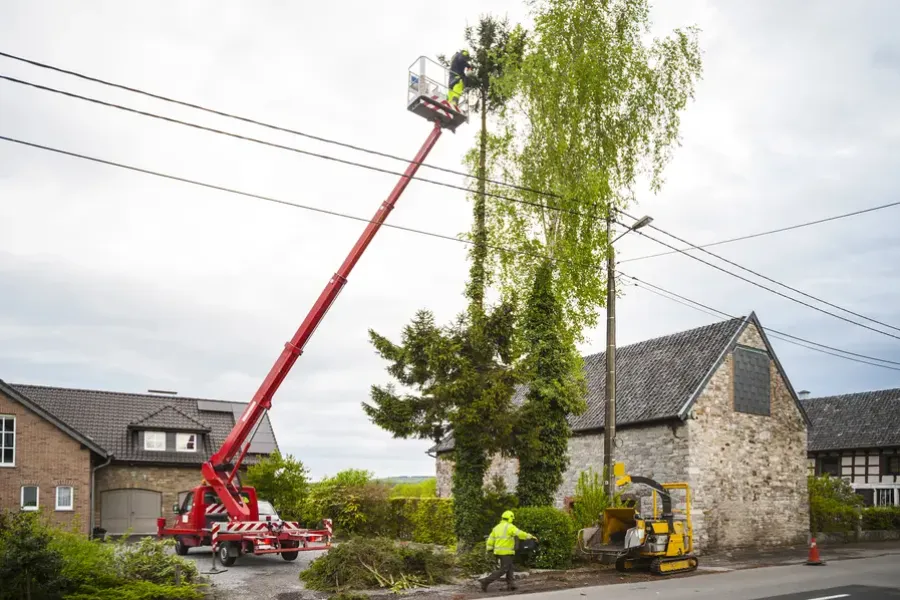
Safety should be your top priority when working with trees. Always wear protective gear like gloves, goggles, and helmets. Moreover, if you’re not confident in handling higher branches, consider hiring a professional tree trimming service. They have the expertise to handle complex tasks safely.
Topping Trees: A Harmful Practice
Topping, or cutting off large branches at random lengths, is detrimental to trees. It leads to weak new growth and increases vulnerability to pests and disease. Instead, use selective thinning to remove specific branches. This technique maintains the tree’s natural shape and promotes healthier growth.
Ignoring Disease and Pest Signs
Before you start trimming, inspect your trees for signs of disease or pests. Pruning without addressing these issues can spread infections throughout the tree or even to neighboring plants. If you notice any irregularities like unusual spots or holes, consult an arborist for advice on treating the issue.
Lack of Knowledge About Tree Species
Not all trees respond the same way to pruning techniques. Knowing the specific needs of each species in your garden will help you trim them more effectively. For instance, some trees bloom on old wood while others need new growth; understanding these differences will guide your pruning decisions.
Over-Pruning: Less Is Often More
While it might seem beneficial to remove a lot of foliage, over-pruning can shock a tree and hinder its ability to photosynthesize effectively. Aim to cut no more than 25% of the canopy at one time. This approach allows the tree to recover quickly and continue growing strong.
- Research your specific tree species for optimal pruning times.
- Use clean, sharp tools to make precise cuts.
- Wear safety gear and hire professionals for difficult tasks.
- Avoid topping; opt for selective thinning instead.
- Check trees for diseases before pruning.
- Understand each tree’s unique pruning needs.
- Avoid removing too much foliage at once.
Your Partner in Achieving Healthy Trees
At Beast of Beauty LLC, we understand that maintaining healthy trees requires knowledge and skill. Located in Mingo Junction, OH, we specialize in providing expert care tailored to your specific needs. Contact us at (330) 663-1072 to learn more about our services and how we can help enhance your landscape through proper tree care practices.